Package details
The 1500s and 1600s were a time of exploration and discovery, as people connected with cultures around the world, learning about new plants, people, and materials. These discoveries sparked a Scientific Revolution. People began experimenting to find out more about the world around them and started to classify plants and animals as well as introducing the Scientific Method which is still used today. It was a period of transition, when people were still holding on to old superstitions but thinking in new ways.
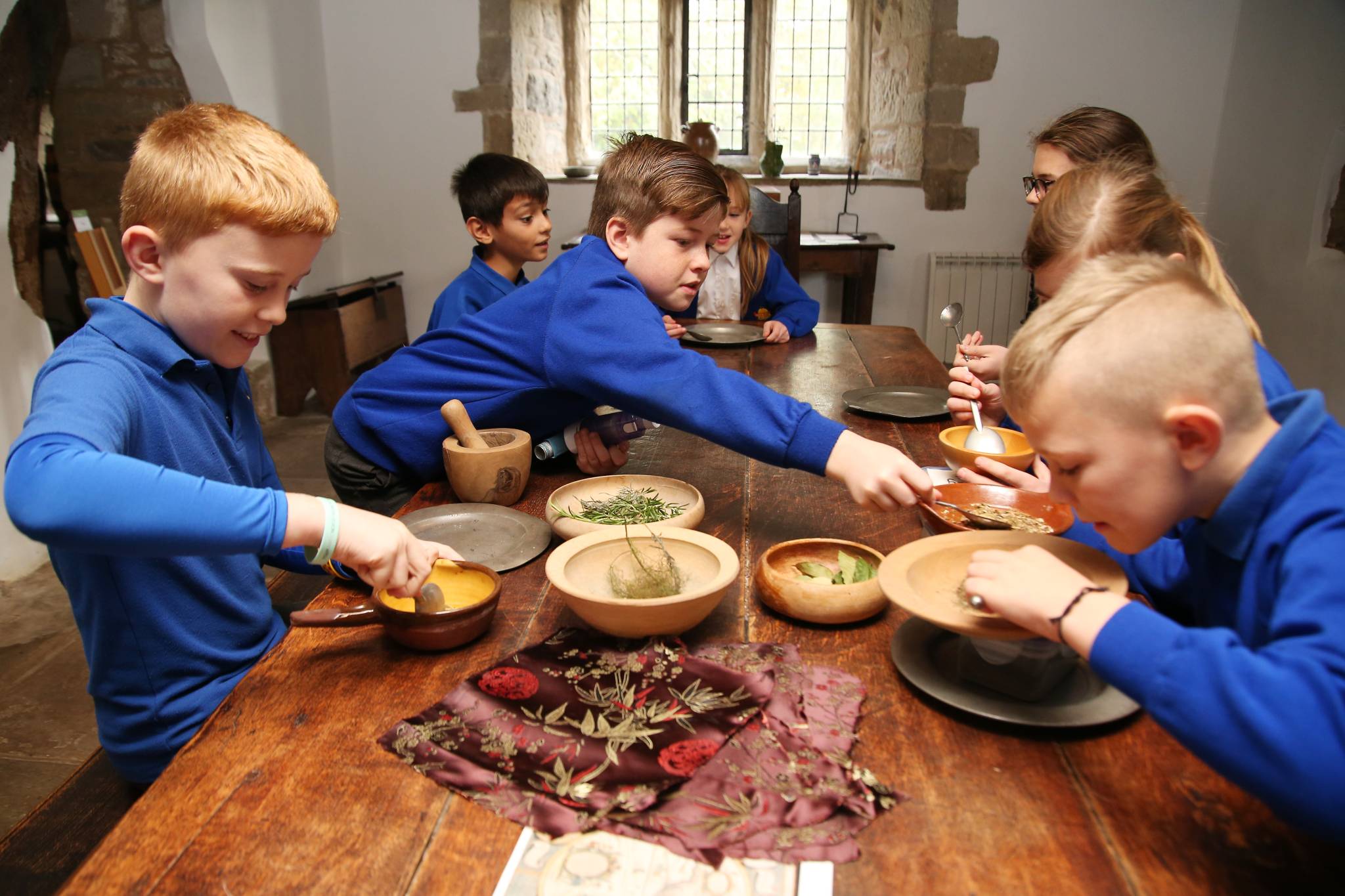
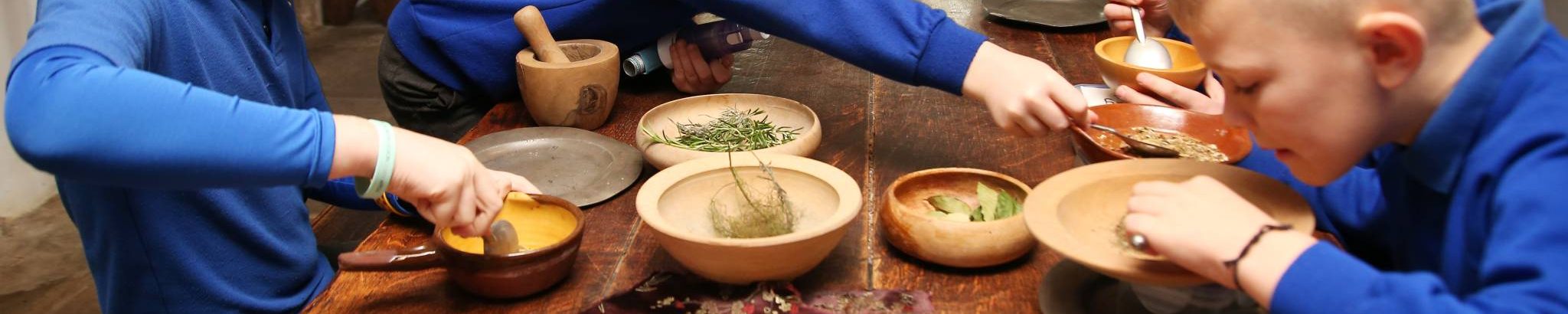
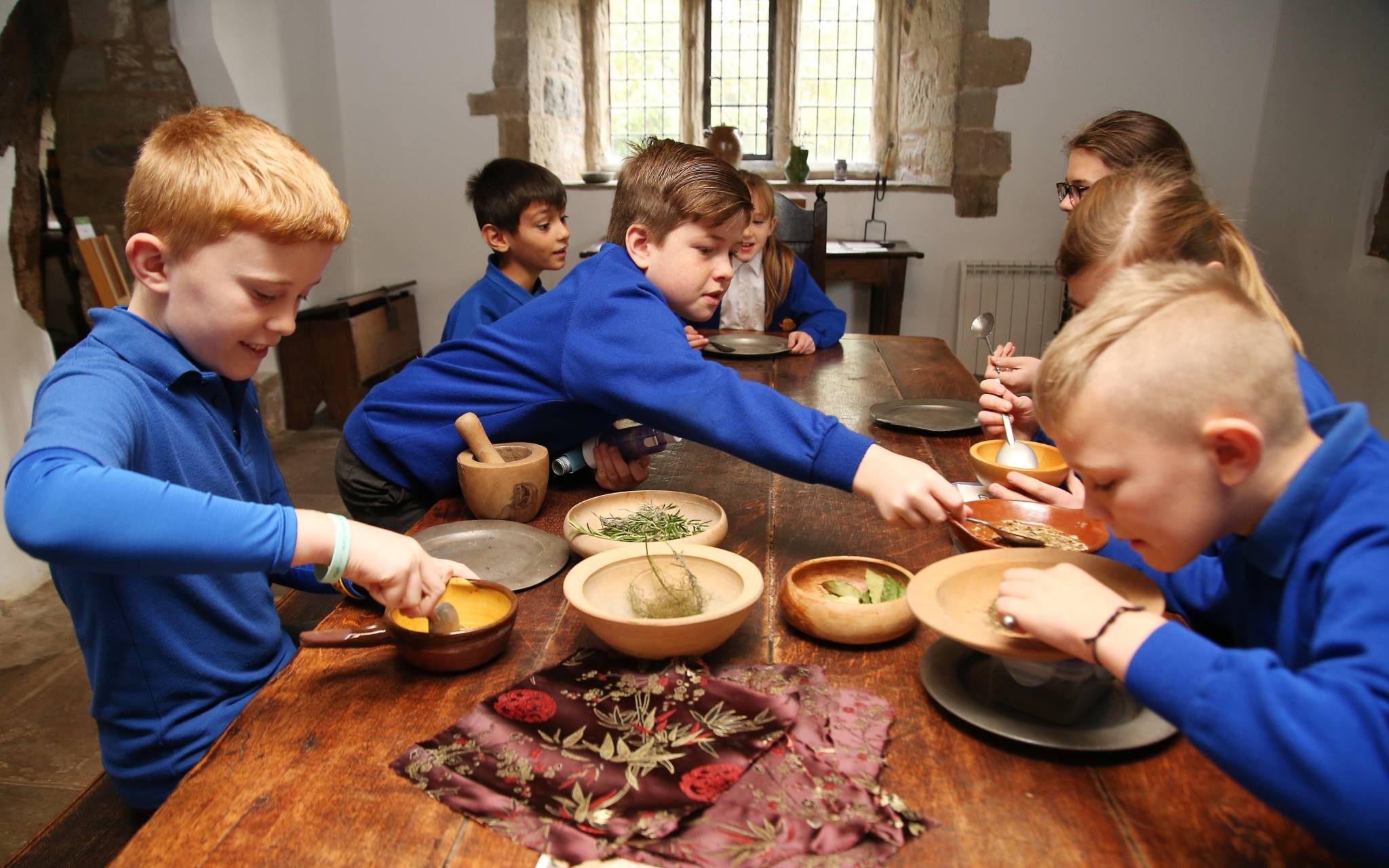
In this session students will learn how plants were used during the Great Plague and have the opportunity to create their own ‘medicines’ using plants from the garden. They will explore the house looking for witch marks and will take part in their very own witch trial, based on an actual witch trial that took place in Leicestershire.
The House is small, so we have a maximum of 34 children per visit.
This session includes hands-on investigations, practical thinking, object handling and drama, and aims to encourage the pupils to work scientifically whilst learning about the past. Perfect for a local history study or to think about scientific changes over time more broadly.
Learning Outcomes:
- How the approach to plants and science has changed since the 1600s
- Investigate the historic use of plants for medicine
- Understand about the use of classification
- To know key events of the 17th Century
- To understand how people were discriminated in the past
Plants Plagues Potions 1620s School Session Risk Assessment 2026 2027 (PDF, 365 KB)